
| view 👀:5 |
🙍 oneddl |
redaktor: book24h | Rating👍:
Huizhou Local Identity and Mercantile Lineage Culture in Ming China [#909539]
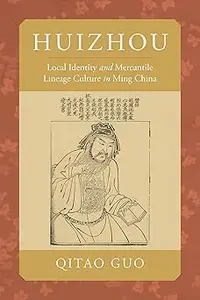
Free Download Qitao Guo, "Huizhou: Local Identity and Mercantile Lineage Culture in Ming China"
English | ISBN: 0520385217 | 2022 | 264 pages | MOBI | 39 MB
A free open access ebook is available upon publication. Learn more atwww.luminosoa.org.
Huizhou studies the construction of local identity through kinship in the prefecture of Huizhou, the most prominent merchant stronghold of Ming China. Employing an array of untapped genealogies and other sources, Qitao Guo explores how developments in the sociocultural, religious, and gender realms from the fifteenth to sixteenth centuries intertwined to shape Huizhou identity as a land of "prominent lineages." This gentrified self-image both sheltered and guided the development of mercantile lineages, which were further bolstered by the gender regime and the local religious order. As Guo demonstrates, the discrepancy between representation and practice helps explain Huizhou's triumphs. The more active the economy became, the more those central to its commercialization embraced conservative sociocultural norms. Home lineages embraced neo-Confucian orthodoxy even as they provided the financial and logistical support to assure the success of Huizhou merchants. The end result was not "capitalism" but a gentrified mercantile lineage culture with Chinese-or Huizhou-characteristics.
Read more

AusFile
Rapidgator
dhj3y.7z.html
TakeFile
Fileaxa
Fikper
Links are Interchangeable - Single Extraction
⚠️ Dead Link ?
You may submit a re-upload request using the search feature.
All requests are reviewed in accordance with our Content Policy.
Significant surge in the popularity of free ebook download platforms. These virtual repositories offer an unparalleled range, covering genres that span from classic literature to contemporary non-fiction, and everything in between. Enthusiasts of reading can easily indulge in their passion by accessing free books download online services, which provide instant access to a wealth of knowledge and stories without the physical constraints of space or the financial burden of purchasing hardcover editions.
Comments (0)
Users of Guests are not allowed to comment this publication.