
| view 👀:6 |
🙍 oneddl |
redaktor: book24h | Rating👍:
The Roman Peasant Project 2009-2014 Excavating the Roman Rural Poor [#530735]
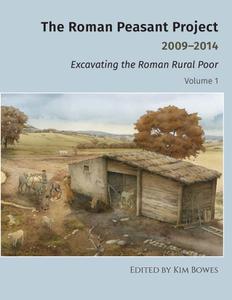
The Roman Peasant Project 2009-2014: Excavating the Roman Rural Poor by Kim Bowes
English | June 4th, 2021 | ISBN: 1949057070 | 814 pages | True PDF | 39.68 MB
This book presents the results of the first systematic archaeological study of Roman peasants. It examines the spaces, architecture, diet, agriculture, market interactions, and movement habitus of non-elite rural dwellers in a region of southern Tuscany, Italy, during the Roman period. Volume 1 presents the excavation data from eight non-elite rural sites including a farm, a peasant house, animal stall/work huts, a ceramics factory, field drains, and a site of uncertain function, here framed as individual chapters complete with finds analysis. Volume 2 examines this data synthetically in thematic chapters addressing land use, agriculture, diet, markets, and movement.
The results suggest a different, more sophisticated Roman peasant than heretofore assumed. The data suggests that Roman peasants particularly in the first century BC/AD built specialized sites distributed throughout the landscape to maximize use of diverse land parcels. This has important implications for the interpretation of field survey data, the estimate of rural demographics from that survey, and assumptions about the long-term changes to human settlement. It also points to an important moment of agricultural intensification in this period, a contention beginning to be supported by other studies. The project also identified sophisticated systems of land use, including crop rotation and an important investment in animal agriculture. This work presents the first systematic data from Roman Italy for rural consumption, tracking the fine wares made at a production site to local sites nearby. This supports the largely theoretical problematizing of the so-called consumer city model and suggests the potential importance of rural aggregate demand. Movement studies, based on finds from the sites themselves, describe a more mobile population than anticipated, engaged in quotidian and long-distance movement patterns, supported by the small but steady stream of imports and exports into and out of this seemingly liminal region. The book concludes by addressing the implications of this new data for major questions in Roman social and economic history.

Please Help Me Click Connect Icon Below Here and Share News to Social Network | Thanks you !
⚠️ Dead Link ?
You may submit a re-upload request using the search feature.
All requests are reviewed in accordance with our Content Policy.
Significant surge in the popularity of free ebook download platforms. These virtual repositories offer an unparalleled range, covering genres that span from classic literature to contemporary non-fiction, and everything in between. Enthusiasts of reading can easily indulge in their passion by accessing free books download online services, which provide instant access to a wealth of knowledge and stories without the physical constraints of space or the financial burden of purchasing hardcover editions.
Comments (0)
Users of Guests are not allowed to comment this publication.