
| view 👀:13 |
🙍 oneddl |
redaktor: book24h | Rating👍:
Performatism, or the End of Postmodernism [#499331]
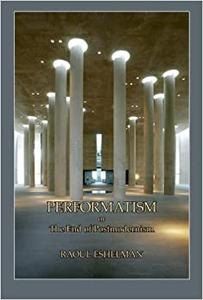
Raoul Eshelman, "Performatism, or the End of Postmodernism"
English | 2008 | ISBN: 1888570415 | PDF | pages: 288 | 11.6 mb
There is a widespread feeling that postmodernism is on its way out. However, up to now there has been no attempt to define what the epoch after it would look like. Performatism, or the End of Postmodernism is the first book to offer a systematic theory of culture after postmodernism. The book maintains that we have entered a new, monist epoch in which aesthetically imposed belief replaces endless irony as the dominant force in culture. This new cultural dominant, which I call performatism, works by artificially "framing" readers or viewers in such a way that they have no choice but to accept the external givens of a work and identify with the characters within it. In short, they are forcibly made to believe-if only within an particular aesthetic context. This basic procedure can be shown to operate not only in narrative genres like film and literature, but also in visual ones like art and architecture. This new aesthetic is documented in well-known films and novels such as American Beauty, The Celebration, Life of Pi, Middlesex, and The God of Small Things as well as in the work of major architects and artists such as Sir Norman Foster, Renzo Piano, Andreas Gursky, Neo Rauch, and Vanessa Beecroft.

Download From 1DL
![rapidgator]()
https://rapidgator.net/file/990edd3f7eae19bf92ecb63a195a9248/fojpq.P.o.t.E.o.P.rar.html

https://rapidgator.net/file/990edd3f7eae19bf92ecb63a195a9248/fojpq.P.o.t.E.o.P.rar.html
Please Help Me Click Connect Icon Below Here and Share News to Social Network | Thanks you !
⚠️ Dead Link ?
You may submit a re-upload request using the search feature.
All requests are reviewed in accordance with our Content Policy.
Significant surge in the popularity of free ebook download platforms. These virtual repositories offer an unparalleled range, covering genres that span from classic literature to contemporary non-fiction, and everything in between. Enthusiasts of reading can easily indulge in their passion by accessing free books download online services, which provide instant access to a wealth of knowledge and stories without the physical constraints of space or the financial burden of purchasing hardcover editions.
Comments (0)
Users of Guests are not allowed to comment this publication.